 Attic Magic
Sign 1
One room stays hotter
A hot bedroom, office, nursery, or bonus room may involve duct leakage, air sealing, insulation gaps, solar heat gain, airflow balance, or several issues together.
Hot rooms, weak vents, long AC runtime, dust patterns, or attic-like smells can point toward duct leakage — but they do not prove it. Attic Magic checks the attic system first so Tomball homeowners do not spend money on the wrong fix.
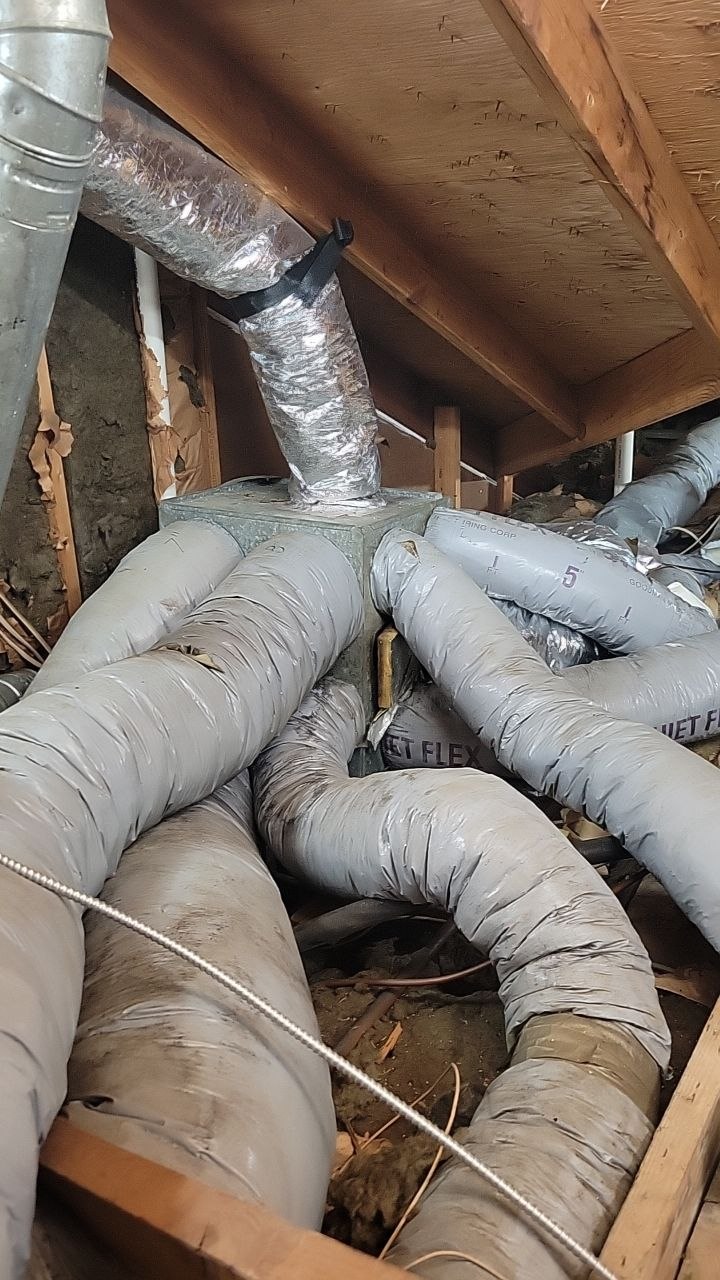
These clues are worth checking, but none of them should be treated as a guaranteed diagnosis by themselves.
A hot bedroom, office, nursery, or bonus room may involve duct leakage, air sealing, insulation gaps, solar heat gain, airflow balance, or several issues together.

Cooled air may be getting lost into the attic before reaching the rooms, but runtime can also come from attic air leaks, insulation gaps, filters, dampers, or equipment issues.
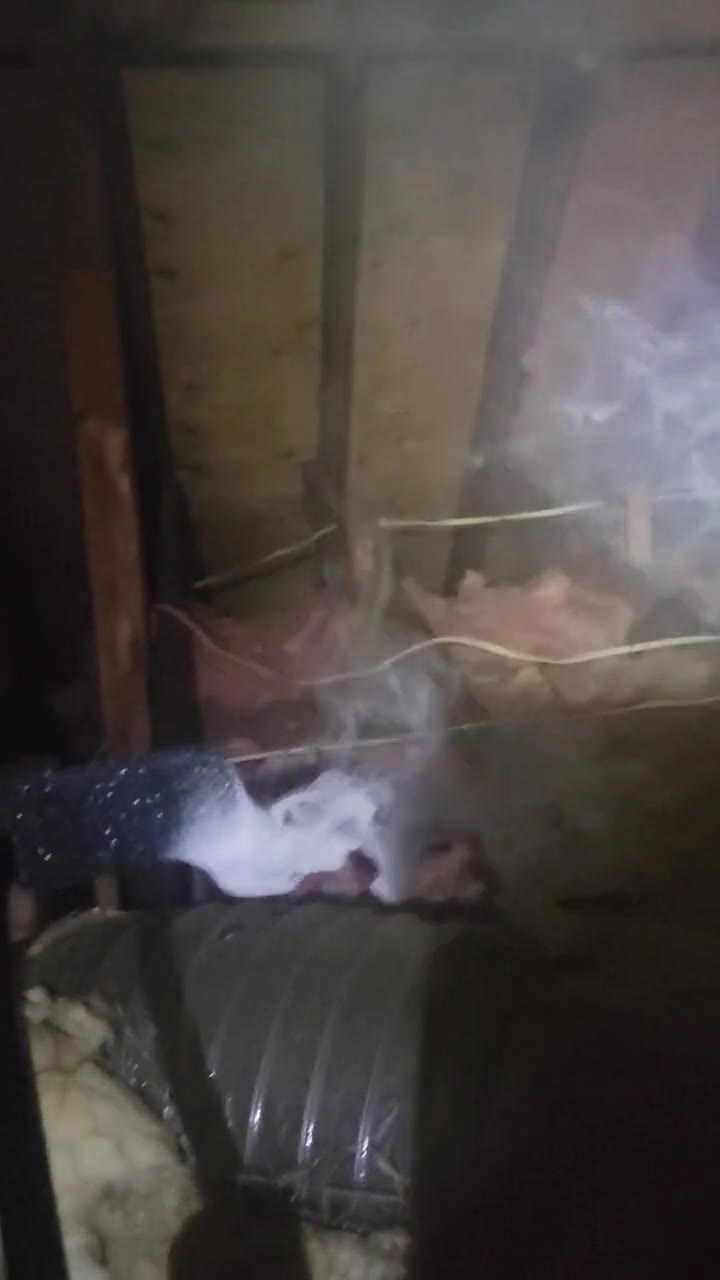
Weak vents, dust around grilles, or attic-like smells can be duct clues — especially when they show up with hot rooms or long runtime.
A supply leak can waste cooled air before it reaches the room. A return leak can pull air from the wrong place. The repair plan should depend on what the inspection actually finds.
Disconnected runs, loose collars, crushed flex, poor support, torn jackets, questionable transitions, or problem areas near plenums and boots.
We look at both sides of the system because each creates different comfort complaints and different repair priorities.
Ducts sitting in hot attic space need context: surrounding insulation, exposed areas, disturbed zones, and room-level symptoms.
Chases, top plates, attic hatches, recessed lights, and penetrations can add heat and humidity load even if the duct issue is real.
Product-first recommendations can miss the order of operations.
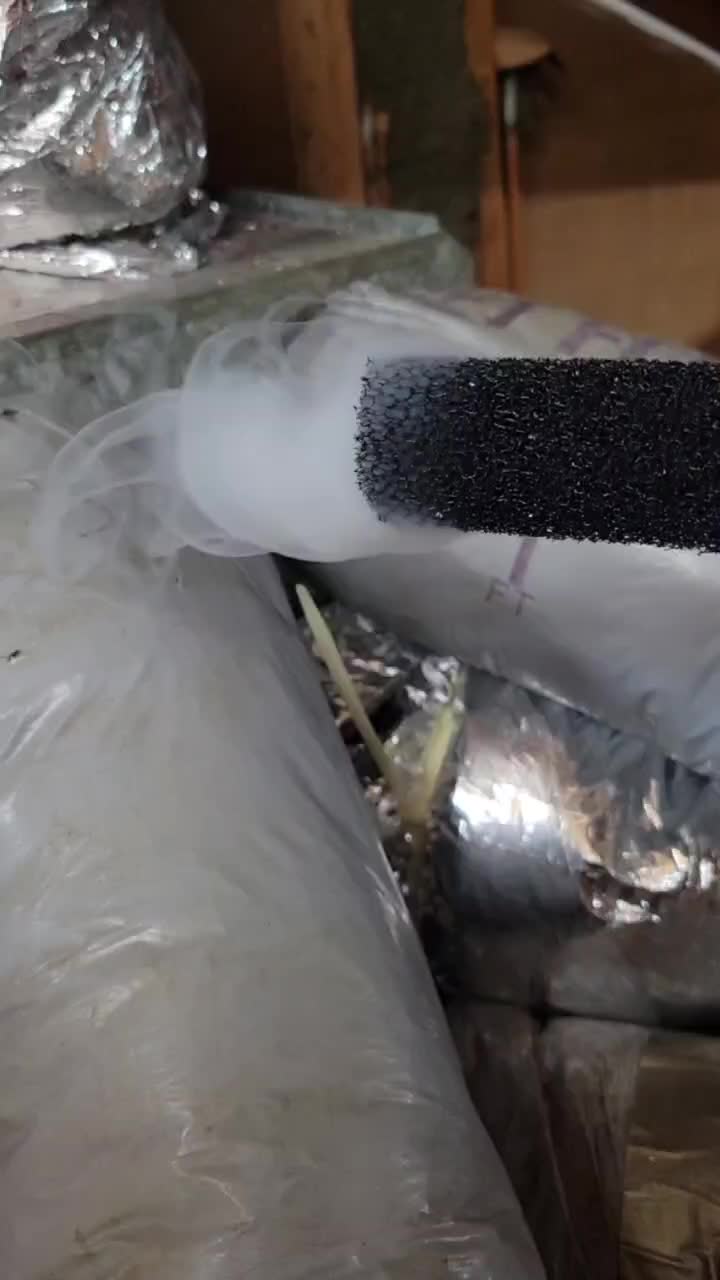
A loose connection, leakage at the plenum, or damaged duct run can explain some symptoms — but only if the finding lines up with the room complaint.
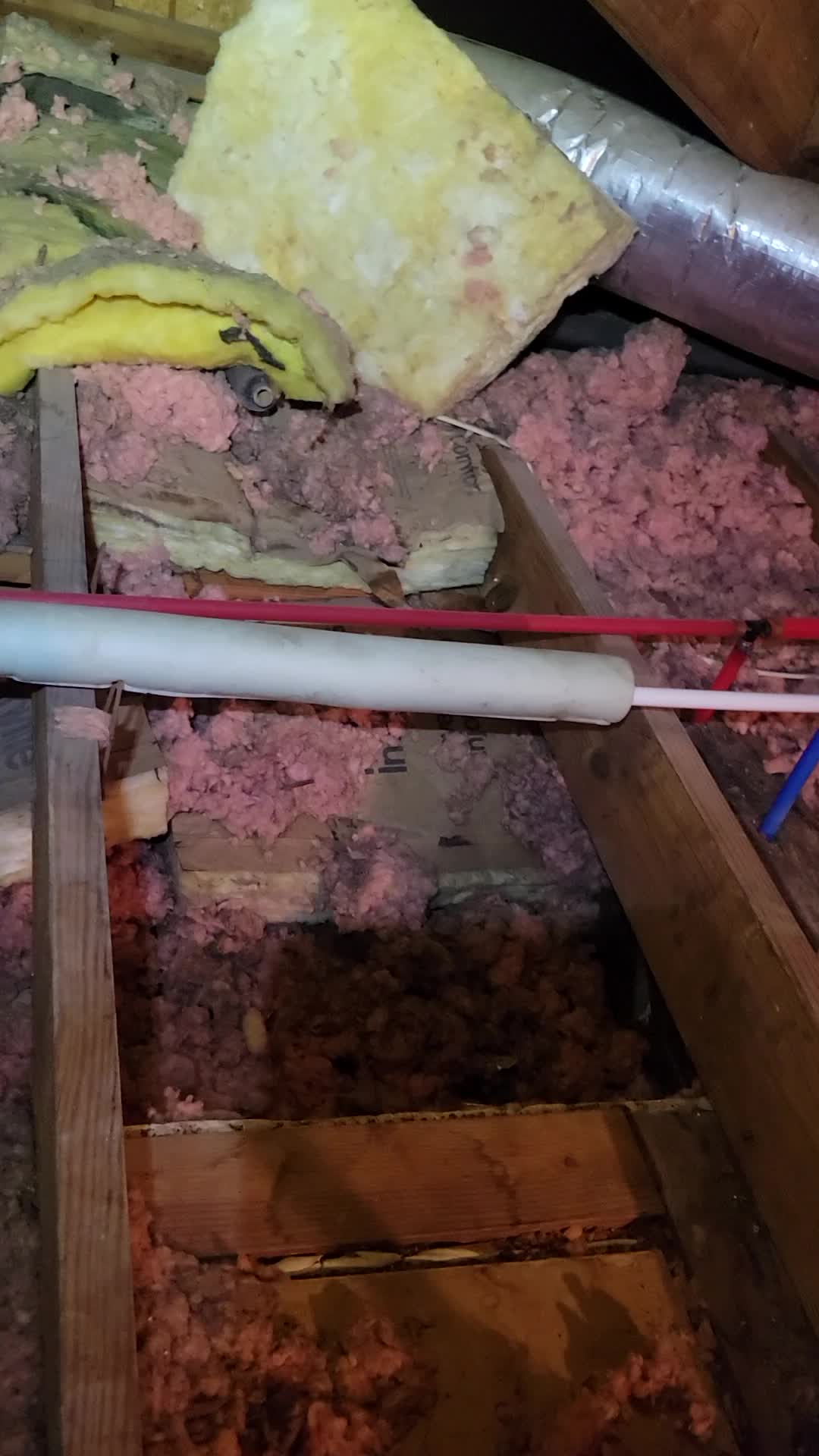
Air leaks, missing insulation, or a long exposed run can keep a room uncomfortable even after one duct repair. The attic needs to be read as a system.
If an inspection shows duct leakage is a priority, the recommendation should not be a vague “duct fix.” It should explain what problem the work is meant to solve and what should happen first.
Book a Tomball duct-leak inspection. Attic Magic will look at the attic system first, explain what we find, and help you prioritize the next step.
Quick answers before booking a findings-based attic inspection.
Common clues include weak airflow, hot rooms, long AC runtime, dust patterns near vents, or attic-like smells when the system runs. These signs do not prove duct leakage by themselves.
It can contribute, especially if a supply duct is loose, damaged, undersized, or losing air before it reaches that room. But one hot room can also involve insulation gaps, air leaks, sun exposure, or airflow balance.
Not automatically. Some duct issues may be repairable, while others may require more involved work. The right scope depends on what the inspection finds.
Duct leakage can contribute to longer runtime and wasted cooling, especially when ducts are in a hot attic. Attic Magic avoids promising specific bill reductions because results depend on the home.